
HR running on empty
The human experience of working in HR, and the quiet cost of being the function everyone leans on. Read it in full below, nothing to fill in first.
- The four pressures HR carries, and why they accumulate
- The executive disconnect, and accountability without authority
- A practical starter kit you can use this week
Written from what HR tells us, not from a survey panel
If you work in HR, there is a good chance you are the person people turn to on their hardest days. You are the steady presence in grief conversations, the translator between people and policy, and the first responder to complex behavioural and organisational issues. The full read is below, free and open to everyone.
The emotional load
Performance concerns, grievances, misconduct, restructures and exits, absorbed while remaining calm and professional, then reset for the next issue.
Change and cognitive overload
New systems, new legislation, new expectations and restructures piling on, with no point at which you get to switch off.
Caught between policy and people
Positioned between employees seeking advocacy and leaders seeking outcomes, where doing your job well can still feel uncomfortable.
The pressure to have all the answers
Treated as the default expert on people, behaviour, policy, mental health, compliance, culture and crisis response.
The executive disconnect
Where the remit outgrows the mandate, HR is brought in late, and the result is accountability without authority.
A starter kit
Practical moves on alignment, executive communication, building manager capability, debriefing and recovery time.
The emotional load
Life Street’s close partnering approach means we speak to HR all the time. We hear and see the load that HR carries: often invisible, sometimes lonely, frequently intense and rarely acknowledged.
HR is managing and advising on performance concerns, grievances, misconduct, restructures, and exits, all while remaining calm, empathetic, and professional. HR absorbs distress, anger, fear, and frustration from others, then needs to reset and move on to the next issue.
Unlike frontline care roles, HR professionals are often expected to process these emotions privately. There is limited space to debrief, and confidentiality can mean carrying stories alone. Over time, this emotional accumulation can lead to:
- Compassion fatigue
- Emotional exhaustion
- Reduced empathy or disengagement
Yet because HR professionals are seen as “coping”, the toll often goes unnoticed.
Change and cognitive overload
The change facing HR is constant. New systems, new legislation, new workforce expectations, hybrid work models, and organisational restructures all pile on. And we have not even really begun to look at AI and all the people and organisational impacts: a pandora’s box that will no doubt need to be opened.
The feeling of holding too many competing priorities at once is now a constant challenge, often leading to cognitive overload. As HR puts fires out, moving from one situation to another, the mental fatigue creeps in. You do not get to switch off. This overload does not just affect performance, it affects mental wellbeing.
Caught between policy and people
HR is frequently positioned between competing expectations: employees seeking advocacy and leaders seeking outcomes.
You may personally empathise with an individual’s situation while being required to uphold policies, legal obligations, or organisational decisions that feel misaligned with your values. These moments create moral tension, where doing your job well can still feel uncomfortable. This constant balancing act can lead to:
- Internal conflict and self-doubt
- Heightened stress during decision making
- A sense of personal responsibility for outcomes beyond your control
When every choice feels high stakes, the mental load accumulates.
The pressure to have all the answers
HR professionals are often viewed as the default experts: on people, behaviour, policy, mental health, compliance, culture, and crisis response. The scope of HR has expanded dramatically in recent years. HR teams are now expected to:
- Lead change during uncertainty
- Support managers with difficult conversations
- Respond to complex mental health issues
- Navigate flexible work and burnout
- Interpret shifting legal and WHS landscapes
This expectation to “know it all” and “fix it” can create significant pressure, especially when resources are limited or systems are stretched.
An expanding remit and stretched systems, not individual capability, are what put HR under pressure.
The executive disconnect: expectation gaps
A common driver of HR fatigue is the gap between what executives expect from HR and what they understand and resource. Many senior leaders still see HR as an admin or compliance function, while the modern remit spans organisation design, leadership capability, culture, risk, mental wellbeing, analytics, and change.
When the role is misunderstood, HR is asked to deliver enterprise-wide outcomes without the mandate, resources, or timing to do so. The result is accountability without authority, and a function running on empty. Some of the ways this disconnect shows up are:
- 01HR is brought in late (after decisions are made), turning strategic partnership into damage control.
- 02Big remit, small team: “do more with less” becomes the default operating model.
- 03Decision rights are unclear: HR is responsible for outcomes but cannot set priorities or standards.
- 04HR is positioned as both partner and policy police, creating role conflict and eroding trust.
- 05People work is labelled “soft”, so critical risks (psychosocial, legal, reputational) are underestimated.
HR wellbeing is employee wellbeing
When HR professionals are stressed, depleted, or burnt out, the ripple effect is significant. HR influences culture, leadership capability, psychological safety, and employee experience. Supporting HR wellbeing is not a “nice to have”: it is foundational to organisational health.
Many HR professionals tell us they struggle to seek support themselves. Reasons include fear of appearing incapable, concerns about confidentiality, and feeling they should “handle it” given their role. HR professionals often delay accessing support until stress becomes overwhelming, despite actively encouraging others to do so sooner. But HR cannot afford to be reactive: an early intervention lever must be pulled if HR are to attempt to prevent the risk of burnout, increased anxiety, sleep disruption, and disengagement.
There is value in having a strong relationship with a specialist EAP provider: to think of the EAP as your support resource to support you and your team with role challenges regarding employee risk, employees of concern and assisting at the interface between employee work issues and psychological wellbeing.
This works if your EAP provider is a specialist provider providing a ‘program’, not simply crisis counselling, and so includes EAP Program Managers who are experienced EAP practitioners with clinical credentials and experience in partnering to resolve work-related psychosocial issues. You should feel comfortable with their experience working with HR and organisations to navigate employee mental wellbeing and mental health issues.
If your relationship with your EAP is about a count of employees who had some form of counselling, sending out posters, discussing lunchtime talks or querying an invoice, you do not have the right partner to adequately support your employees, your team and yourself.
This is the time for you to pause. Do not wait until burnout, illness, or overwhelm to seek support.
Looking after your own wellbeing is not a weakness. It is a professional skill, and a necessary one.
While every HR professional and every situation is different, here is a starter kit
Align on issues, not cases
Work on alignment around the key issues and strategies, rather than relying on debating individual cases. Use data to scope issues, stories to bring it to life, and push to bring HR in early.
Communicate priorities concisely
You know your stakeholders, so think about the best way to concisely communicate with executives in a way that gives them your top priorities, what is in progress and what trade-offs need to be made on decisions taken.
Shift from HR does to HR enables
Work to build a culture shift from “HR does” to “HR enables”. Invest the time where possible to build manager capability through coaching managers through tough conversations and debriefing.
Use trusted specialists
The demands on you and your team are broad, complex and consequential. Use experienced, trusted experts in specialist fields to support you and your team.
Debrief complex cases
Create time to debrief complex cases and share approaches, thoughts and impacts with others. A useful question might be: what is the one feeling I am bringing from this case, and what is one boundary I will hold this week?
Build in recovery time
Build recovery time into your week after difficult ER, grievance or investigation meetings. Think of this as mitigating psychosocial risk for yourself, not an indulgence.
Why we wrote this
Life Street's close partnering approach means we speak to HR all the time. We hear and see the load that HR carries, often invisible, sometimes lonely, frequently intense and rarely acknowledged.
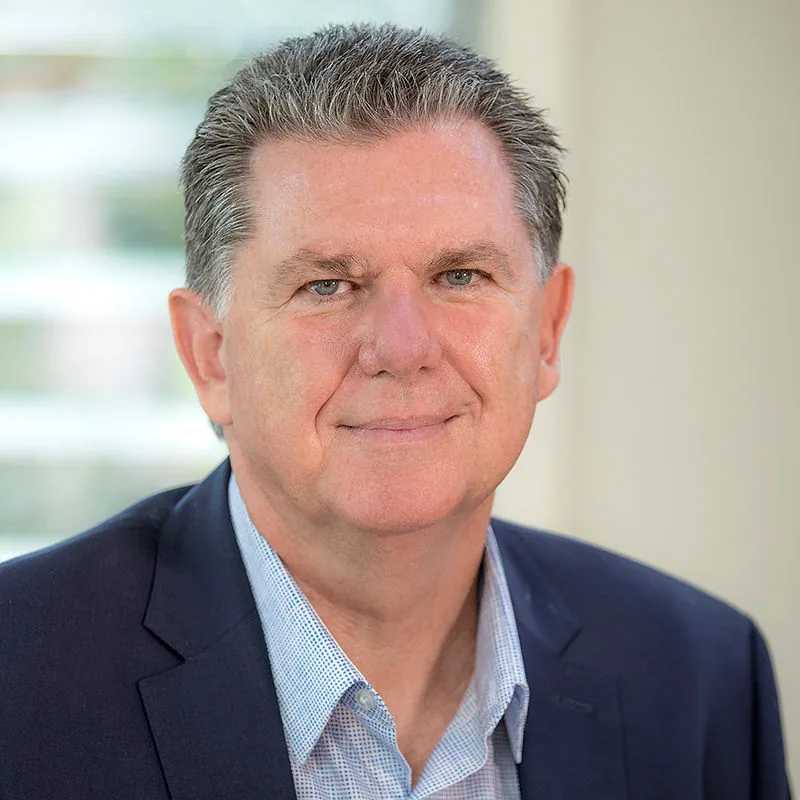
Life Street is a psychologist-led EAP provider, founded by Registered Psychologist Paul Flanagan, who has over 30 years of experience in clinical and organisational psychology and has played an integral role in the evolution of EAPs and workplace mental health in Australia.
Talk it through with us
Everything above is free to read, no details needed. If you would like to talk through what your current program covers and what your organisation’s EAP options look like, book a 30-minute conversation with our team.
Talk to us about your EAP options
Book a 30-minute conversation with our team to talk through what your current program covers, how it is being used across your organisation, and what a different model could look like.
Schedule a chat about EAP options